

Licensed medical professionals review material we publish on our site. The material is not a substitute for qualified medical diagnoses, treatment, or advice. It should not be used to replace the suggestions of your personal physician or other health care professionals. Yes, alcohol can intensify negative emotions, leading to heightened anger and frustration. If a problem is ongoing or does not seem to have an adequate solution, you should be prepared to make some changes in your life. When the two are present together, a person is highly likely to become involved in something they wouldn’t otherwise do and might regret later.
Tips to change your relationship with alcohol
They are peer-led organizations dedicated to helping each other remain sober. Support groups can be the first step towards recovery or part of a long-term aftercare plan. Support groups such as Alcoholics Anonymous (AA) and Self-Management And Recovery Training (SMART) are open to anyone with a substance use disorder. Halfway house Outpatient treatment is less intensive than inpatient treatment or partial hospitalization programs. They are best for people who have a high motivation to recover, but cannot leave their responsibilities at home, work, or school.
Bone & Joint Health
From the surface, it almost sounds like the unnamed individual is being mean because he’s drunk. Was the anger already there before this individual consumed alcohol, or was it truly a state that was brought out by the alcohol? While some may believe displaying anger after drinking is a sign of suppressing anger when sober, new studies show a link between alcohol and emotions of anger, stress, and depression. Alcoholic rage syndrome is when a person becomes extremely angry and violent after drinking. It’s alcoholic rage syndrome related to alcohol-induced anger because both are caused by the effects of alcohol on the brain.
What Causes Alcohol Abuse?
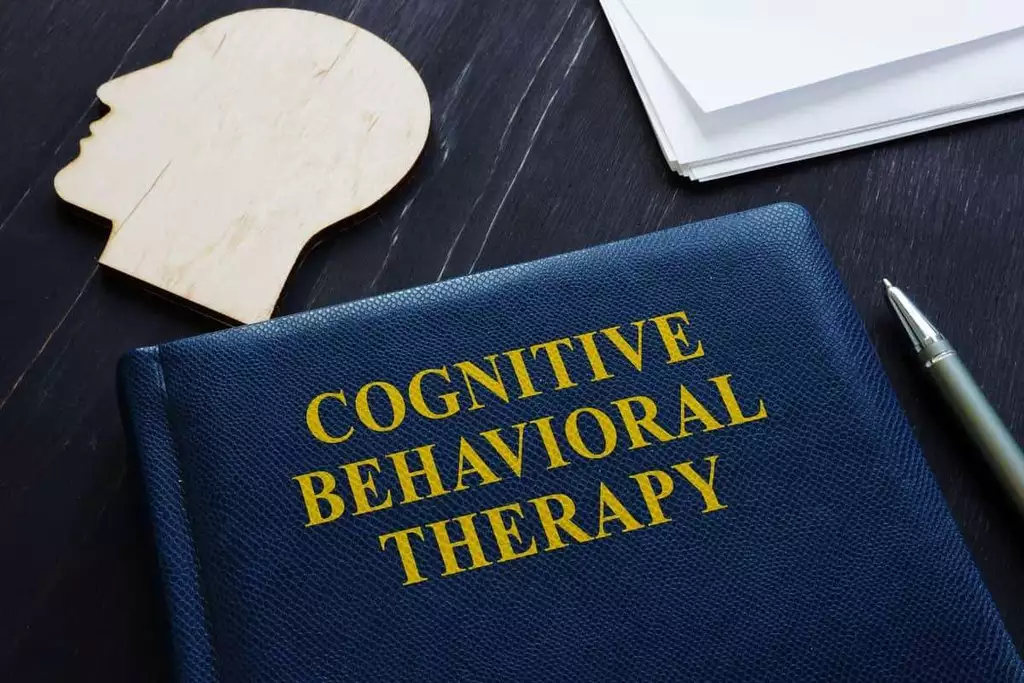
This kind of therapy helps you see how your thoughts, feelings, and actions are linked to each other. As you learn how your thoughts lead to feelings and behaviors, you will become better at stopping these thoughts from turning into actions. Over time, CBT can help you challenge harmful beliefs and create strategies for staying sober. No matter what type of treatment program you choose, you can attend CBT and other kinds of psychotherapy.
The Symptoms of Alcohol Withdrawal
If you catch yourself mentally replaying scenarios where other people have hurt or angered you, you can try turning your thoughts to something more positive. It might help to remind yourself that dwelling on the sources of your anger will likely cause you unnecessary pain. This makes you more likely to binge on junk food, call ex-lovers on the phone late at night, https://ecosoberhouse.com/ drive while drunk and also to act verballyor physically aggressive to people who irritate or anger you. You can limit your alcohol intake, drink water in between alcoholic beverages, and avoid situations that might trigger anger.
Alcohol and Anger Management
- Understanding these factors is key to recognizing and addressing alcohol-induced aggression.
- When people exercise the body releases endorphins which are known as the feel-good hormones.
- If you take someone more prone to anger, they will be less likely to restrain themselves while drinking.
- Always look out for such signs, and know when a pattern or trend emerges.
Anger is an emotion made up of many different feelings like dissatisfaction, displeasure, hurt, and frustration. It’s a natural human response when life seems unfair or something you value is under threat. LonelyFeeling lonely can make us more likely to slip into old patterns. Once you identify you’re feeling lonely, you can take steps to get connected, whether it be calling a friend or joining a support group. You can do this by saying to yourself “I’m feeling angry right now” or “anger is present.” You can also notice how the anger is manifesting in your body. Labeling and allowing yourself to feel anger can actually help reduce its initial intensity.
Alcohol and Anger
- As a therapist on the Monument platform, I often work with my patients to identify the root cause of their anger, and establish healthier ways to process intense emotions in sobriety.
- Alcohol can influence the expression of hidden or suppressed emotions.
- Encouraging responsible drinking and seeking help when needed are crucial steps in reducing alcohol-related aggression.
- Left unchecked, anger can make it especially difficult to maintain sobriety or moderation.
This amplification occurs due to alcohol’s impact on the brain’s neural pathways, particularly those involved in emotional regulation. Furthermore, compromised decision-making abilities and weakened impulse control can exacerbate aggressive behaviors, amplifying the expression of anger in alcohol-influenced situations. Before exploring the effects of alcohol on brain functions, it’s crucial to understand the connection between alcohol consumption and anger. Understanding the relationship between alcohol consumption and anger expression is essential. By exploring the underlying mechanisms and psychological impacts, we can educate ourselves on how to deal with these dynamics effectively. This occurs in long-term relationships such as marriage, as well as all dating scenarios.
A small 2015 study published in Translational Psychology investigated the role of this variation in impulsive and aggressive behavior while intoxicated (10). Additionally, the amygdala area of the human brain is where we process emotions. And our orbitofrontal cortex (OFC), which is part of the PFC, helps calm feelings of rage and aggression.
How does alcohol consumption lead to changes in behavior?
What’s worse is that picking up a drink again or experiencing a relapse often triggers resentment, guilt, and anger. Each individual has unique anger triggers based on what you expect from yourself and those around you. If you don’t know how to express anger, your frustrations can make you miserable or cause you to explode in an angry outburst. It affects parts of your brain responsible for movement, memory, self-control, and basic functions like hunger and thirst. “Alcohol is involved in half of all murders, rapes, and assaults,” said Robert O. Pihl, professor of psychology and psychiatry at McGill University. “But the dynamics of this association are complicated, which is why any research that focuses on explaining this relationship is important for society in general.”
There are many telltale signs that can point to a trend of associating anger and alcohol. If you find yourself constantly having to apologize after a night of drinking, or if many of your issues with a relationship come out while drinking, you may be at risk for alcohol use disorder. Always look out for such signs, and know when a pattern or trend emerges. These programs offer support and strategies to manage both your anger and your drinking.